
 +91-9210-914-391
 WhatsApp

 Book Appointment
Fungal Keratitis: Causes, Symptoms & Treatment
A scratch from a tree branch, a stray piece of straw, or dust from farm work — injuries that seem minor at the time can sometimes let fungi into the cornea, leading to a serious infection called fungal keratitis. It's far more common in India than most people realise, and while it can threaten vision if ignored, prompt diagnosis and the right antifungal treatment give most patients a genuinely good outcome.

Quick Answer
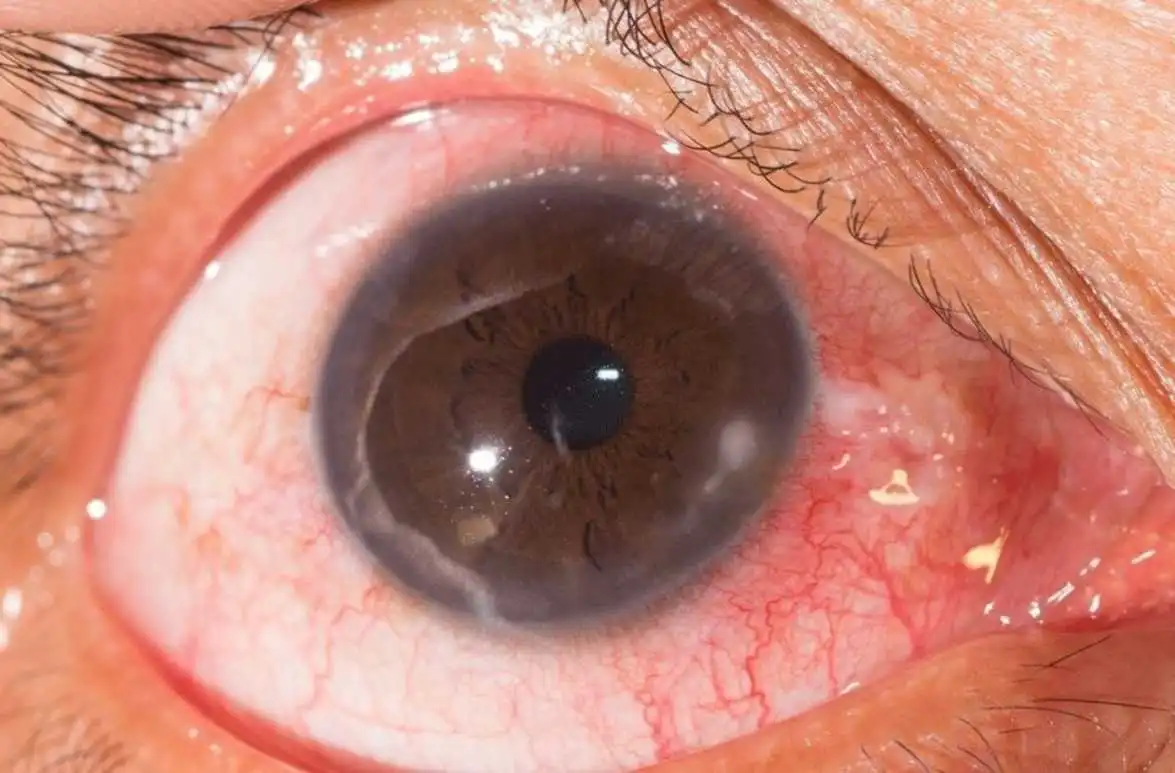
Fungal keratitis (mycotic keratitis) is an infection of the cornea caused by fungi, most often Fusarium or Aspergillus species, usually entering the eye through an injury involving plant matter, soil, or dust. It causes redness, blurred vision, light sensitivity, tearing, and a characteristic greyish infiltrate with feathery edges. It's a genuinely significant cause of corneal blindness in agricultural regions like India, and treatment — primarily topical antifungal drops like natamycin, sometimes combined with oral antifungals — typically takes several weeks to months. One critical point: using steroid eye drops before a proper diagnosis can dramatically worsen a fungal infection, so any red or irritated eye following a plant-related injury needs a specialist exam before starting any drops.
Key Takeaways
- Fusarium and Aspergillus, both mould-like fungi, cause most cases, typically following trauma with plant matter, soil, or vegetation.
- Fungal keratitis accounts for a notably high share of infectious corneal ulcers in India and other tropical, agricultural regions compared to Western countries.
- Using topical steroid drops before a fungal infection is ruled out is a well-recognised way to worsen the infection — never self-medicate a red, irritated eye with leftover steroid drops.
- Natamycin 5% is the standard first-line topical treatment for most filamentous fungal infections; voriconazole and amphotericin B are used for specific situations.
- Treatment typically takes several weeks to months, considerably longer than a bacterial eye infection.
- Corneal transplant and amniotic membrane transplant, needed in some advanced cases, are not performed at Save Sight Centre and are referred appropriately.
Figures reflect published epidemiological research and can vary by region, climate, and access to prompt care.
What Is Fungal Keratitis?
Fungal keratitis, also called mycotic keratitis or keratomycosis, is an infection of the cornea — the clear, dome-shaped front surface of the eye — caused by fungi. It typically happens when fungi, commonly found in soil, plants, and water, enter the eye through an injury, contaminated contact lenses, or unhygienic conditions. Unlike a simple corneal abrasion, a fungal infection can invade progressively deeper into the corneal tissue if not treated properly, which is why correct and prompt diagnosis — usually through a full eye examination and specific laboratory tests — is the essential first step in treatment.
How Common Is Fungal Keratitis in India?
Genuinely common, and disproportionately so compared to many other parts of the world. Fungal keratitis is estimated to account for roughly 15-25% of infectious corneal ulcers in India, and studies from South and Southeast Asia have found fungal causes responsible for as much as 80% of microbial keratitis cases in some regions — compared to under 1% in parts of Europe. This stark difference comes down to climate and occupation: warm, humid conditions favour fungal growth, and a large share of India's population works in agriculture, which is the single biggest source of the plant-matter injuries that let fungi into the eye. Globally, fungal keratitis is estimated to affect over a million people annually.
What Organisms Cause Fungal Keratitis?
Fusarium Species
Common, Often SevereA filamentous (mould-like) fungus and one of the most frequently identified causes worldwide, especially strongly linked to trauma involving plant leaves, thorns, or agricultural work like sugarcane harvesting. Infections tend to be more aggressive and are associated with a higher risk of poor outcomes if treatment is delayed.
Aspergillus Species
Very CommonAnother filamentous fungus and, in many studies, the single most frequently isolated organism overall, also strongly associated with vegetative trauma and outdoor occupational exposure.
Candida Species
Yeast, Different PatternA yeast rather than a mould, typically seen in eyes with a pre-existing surface problem (such as chronic dry eye or previous eye surgery) or in people with a weakened immune system, rather than following a fresh injury.
Dematiaceous (Pigmented) Fungi
Less CommonA group of darkly pigmented moulds seen particularly in rural agricultural settings; some recent studies suggest these infections may respond somewhat better to standard antifungal treatment than Fusarium or Aspergillus.
What Are the Symptoms of Fungal Keratitis?
A distinctive feature that helps distinguish fungal keratitis clinically is that the pain is often less severe than the infection actually looks — a greyish-white patch (infiltrate) with feathery, fuzzy edges is a classic sign, sometimes with smaller "satellite" patches nearby. Severity can increase rapidly, so early detection is genuinely important: book an appointment with an eye specialist promptly rather than waiting to see if symptoms settle on their own, especially following any injury involving plant matter or soil.
What Increases Your Risk of Fungal Keratitis?
Trauma With Plant or Vegetative Matter
Most Common TriggerA scratch or poke from a thorn, leaf, branch, or agricultural material like sugarcane leaves is the classic, most frequently reported trigger, particularly in rural and farming communities.
Contact Lens Wear
Poorly cleaned lenses, extended or overnight wear, or contaminated lens solution create conditions where fungi can establish an infection — a more prominent risk factor in urban and developed settings.
Chronic Topical Steroid Use
Critical RiskProlonged or unsupervised use of steroid eye drops suppresses the eye's natural defences, both increasing the risk of developing a fungal infection and making one significantly worse once present. See the dedicated warning below.
Pre-Existing Ocular Surface Disease
Chronic dry eye, previous corneal surgery, or an already irritated eye surface make it easier for fungi (particularly Candida) to establish an infection.
Diabetes or Immunosuppression
A weakened immune system, whether from diabetes, HIV, or immunosuppressive medication, reduces the eye's ability to fight off an emerging fungal infection.
Why Is Topical Steroid Use So Dangerous With Fungal Keratitis?
This is one of the most important safety points on this page. Steroid eye drops work by calming inflammation — but they do this by suppressing the eye's local immune response, which is exactly what would otherwise help fight off a fungal infection. Using steroid drops on an eye with an undiagnosed fungal infection can allow it to grow more aggressively and penetrate deeper into the cornea, turning a treatable, early-stage infection into a much more serious one.
- Never use leftover or borrowed steroid eye drops on a new red or irritated eye without a doctor's diagnosis
- Be especially cautious after any injury involving plant matter, soil, or dust
- Tell your doctor about any recent eye injury before starting any prescribed eye drop
How Is Fungal Keratitis Diagnosed?
Diagnosis includes a thorough eye exam by an eye doctor:
- Your medical history and the circumstances of any recent injury are reviewed to understand your specific risk factors.
- The doctor examines your eye with a slit-lamp microscope to assess the size, depth, and appearance of the corneal infiltrate.
- A corneal scraping is taken and examined directly under a microscope (KOH mount) and sent for culture on specialised fungal growth media, to identify the specific organism responsible.
- Fluorescein staining highlights the extent of corneal damage or ulceration.
- Visual acuity testing measures how much the infection has already affected your vision.
What Are the Treatment Options for Fungal Keratitis?
Eye doctors treat fungal keratitis with antifungal medication, chosen based on the type of fungus identified and how deep the infection has progressed:
Topical Natamycin 5%
The standard first-line treatment for most filamentous fungal infections (Fusarium, Aspergillus), applied frequently in the early stages of treatment.
Voriconazole (Topical or Oral)
Used for infections not responding well to natamycin, for Candida infections, or when the infection has penetrated deeper into the corneal tissue, since it penetrates the eye more effectively than natamycin.
Amphotericin B
An alternative broad-spectrum option, particularly considered for Candida infections.
Oral Antifungal Medication
Added for more severe or deeply invasive infections, working alongside topical treatment to fight the infection from within.
Therapeutic Debridement
Gentle removal of infected corneal surface tissue can improve how well antifungal drops penetrate and speed up healing in appropriate cases.
When severe infections don't respond adequately to medication, surgical options may be considered:
- Corneal Transplant (Keratoplasty): Replaces severely infected or scarred corneal tissue with healthy donor tissue.
- Amniotic Membrane Transplant: Supports healing and reduces scarring, often used alongside other treatments.
Please note: Corneal transplant and amniotic membrane transplant are not performed at Save Sight Centre. Patients who need these specific procedures are referred appropriately to ensure they receive the right surgical care.
What Is the Outlook for Fungal Keratitis?
Fungal keratitis is a genuinely more challenging infection to treat than a bacterial one, and it's worth being realistic about this rather than understating it. Treatment typically takes several weeks to a few months of consistent antifungal therapy with close monitoring, since antifungal drops penetrate the cornea less readily than antibiotics do, and fungal organisms are inherently slower to clear. Outcomes depend heavily on how early treatment starts, the specific organism involved (Fusarium infections tend to be more aggressive), and how deep the infection has progressed before diagnosis. With prompt, proper care, the majority of patients preserve good functional vision — which is exactly why early evaluation after any plant-related eye injury matters so much.
How Can You Prevent Fungal Keratitis?
- Wash your hands regularly before touching your eyes or handling contact lenses
- Practise good contact lens hygiene — clean, store, and replace lenses exactly as directed, and never sleep in lenses not designed for overnight wear
- Wear protective eyewear during gardening, farming, or any activity involving plants, soil, or debris
- Avoid contaminated water and soil exposure where possible, and keep farming tools clean to prevent fungal buildup
- Seek prompt care for any eye injury involving plant matter, rather than waiting to see if it resolves on its own
- Never self-treat a red or irritated eye with steroid drops without a confirmed diagnosis
Are There Special Considerations for Certain Patients?
Fungal keratitis can affect people differently depending on individual circumstances:
- Children require specialised care, with extra caution during diagnosis and treatment to minimise distress and trauma for young patients.
- Patients with diabetes or immunosuppression may need a more closely monitored, customised treatment plan, since their eyes are more vulnerable to a severe or slow-healing infection.
Dr. Rajeev JainDirector · Retina, Cataract, LASIK & Uvea Specialist
"The single most common mistake I see with fungal keratitis is delay — someone gets a minor scratch from a plant, the eye looks a bit red, and they wait, or worse, use a leftover steroid drop from home. That delay, more than almost anything else, is what turns a very treatable early infection into a difficult one. If you've had any injury involving plant matter or soil and your eye isn't settling quickly, please don't wait it out."
Frequently Asked Questions About Fungal Keratitis
While some risk factors, like an accidental injury, aren't fully avoidable, you can meaningfully reduce your risk by practising good contact lens hygiene, wearing protective eyewear during gardening or farming work, avoiding self-treatment with leftover steroid eye drops, and seeking prompt care for any eye injury involving plant matter, soil, or dust.
No. Home remedies are not appropriate for treating a fungal corneal infection, and delaying proper antifungal treatment risks permanent vision loss. Always consult an eye specialist promptly for an accurate diagnosis and the right treatment.
No, it is not typically contagious from person to person. It develops when environmental fungi directly enter the eye, usually through an injury, rather than spreading through contact with an infected person.
Consult your eye specialist before resuming contact lens use. They will assess your corneal healing and provide guidance based on your specific eye condition, since resuming lens wear too early can raise the risk of recurrence or further irritation.
Yes, if left untreated or treated too late, fungal keratitis can lead to significant, sometimes permanent vision impairment, corneal scarring, or in severe cases, perforation of the cornea. With prompt, proper care, however, vision can often be substantially preserved.
Fusarium and Aspergillus species — both filamentous (mould-like) fungi — are the most common causes, particularly following an injury involving plant matter, soil, or vegetation. Candida, a yeast, is a less common cause usually linked to an already compromised eye surface or a weakened immune system rather than trauma.
Topical steroids suppress the eye's local immune response, which can allow a fungal infection to grow more aggressively and penetrate deeper into the cornea. Steroid use, especially when started without a confirmed diagnosis for a red or irritated eye, is one of the most well-recognised factors that can both trigger and dramatically worsen fungal keratitis — which is exactly why any red or painful eye following a plant-related injury should be assessed by an eye specialist before starting any steroid drops.
The two can look similar early on, but fungal keratitis often develops more slowly, tends to have less pain relative to how serious it looks, and characteristically shows a greyish, feathery-edged infiltrate, sometimes with smaller "satellite" infiltrates nearby. Bacterial keratitis usually develops and worsens faster, with more pronounced pain. Because they need completely different medications, a corneal culture is essential to tell them apart accurately rather than guessing from appearance alone.
Fungal keratitis typically takes considerably longer to treat than a bacterial infection — often several weeks to a few months of consistent antifungal therapy, with close monitoring throughout. This is partly because antifungal drops penetrate the cornea less easily than antibiotics do, and partly because fungal organisms are simply slower to clear.
No, not always — many cases respond well to antifungal medication alone, especially when treatment starts early. A corneal transplant becomes necessary in more advanced or non-responding cases, particularly where the infection has caused significant scarring, thinning, or a risk of perforation. Corneal transplant and amniotic membrane transplant are not performed at Save Sight Centre; patients who need these procedures are referred appropriately for that specific surgical care.
Had an Eye Injury Involving Plant Matter or Soil?
Don't wait it out — get a prompt, accurate diagnosis at Save Sight Centre, Adarsh Nagar, North Delhi. NABH & ISO accredited · 15+ years · 1,70,000+ patients treated.
Disclaimer: The information on this site should not be considered medical advice. Please consult a doctor for determining the best procedure as well as the most appropriate lens for your eyes. Results may vary from person to person and we do not guarantee similar results for everyone.