
 +91-7873-222-000
 WhatsApp

 Book Appointment
Achieving 6/6 Vision: Tips, Factors & How to Improve Eyesight
Clear vision is something we often take for granted until it starts to slip. "6/6 vision" is the benchmark for normal eyesight — but is it something everyone can achieve, and what actually helps you get there? Here's the honest, doctor-reviewed answer.

Quick Answer
6/6 vision means you can clearly see at 6 metres what a person with normal eyesight sees at the same distance — it's the metric equivalent of 20/20 vision, tested using a Snellen chart. Not everyone can reach 6/6 naturally, but most people can get there or close to it with the right glasses, contact lenses, or refractive surgery like LASIK. What genuinely helps: correcting refractive errors early, protecting your eyes from strain and UV, eating a vision-friendly diet, and getting regular eye check-ups.
Key Takeaways
- 6/6 vision is the standard for normal visual acuity — not a claim of "perfect" or disease-proof eyesight.
- Refractive errors, age, screen time, nutrition, and underlying health conditions all affect how close you get to 6/6.
- Genetics plays a real role — but good habits and timely correction still matter a lot.
- Going from 6/9 to 6/6 usually just means correcting a mild, previously uncorrected refractive error.
- Eye exercises help reduce strain but cannot fix refractive errors on their own.
- Some conditions — retinal, optic nerve, or advanced age-related disease — can limit vision even with the best correction.
What Exactly Is 6/6 Vision?
6/6 vision, also known as normal visual acuity, refers to the sharpness of your eyesight at a standard distance. If you have 6/6 vision, you can clearly see an object from 6 metres away that a person with healthy, normal eyesight should also be able to see from that same distance.
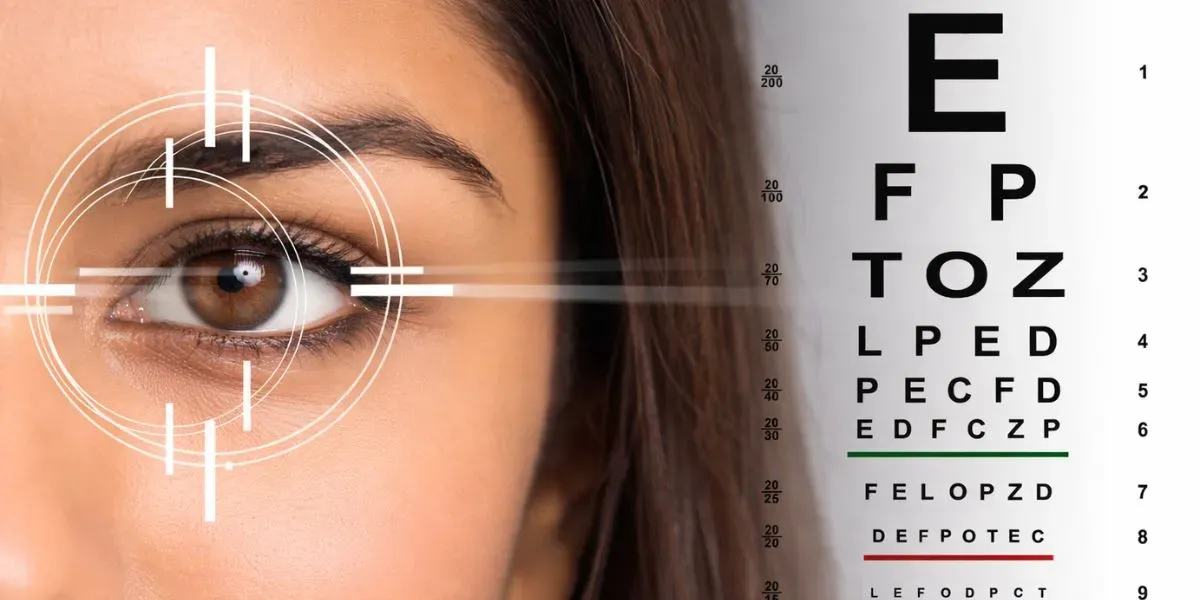
This is measured using a Snellen chart — the familiar eye chart with rows of letters that shrink line by line. During an eye test, you read these letters from a fixed distance of 6 metres. If you can accurately read the line marked "6/6," your vision is considered normal.
What Factors Affect Your Vision Clarity?
Refractive Errors
Myopia, hyperopia, and astigmatism prevent light from focusing precisely on the retina — the single most common reason people fall short of 6/6.
Age
The eye's lens naturally becomes less flexible over time. After 40, presbyopia makes it harder to focus on near objects, often needing reading glasses.
Screen Time
Extended digital device use causes eye strain, dry eyes, and temporary blurred vision — usually reversible with better habits.
Nutrition
Vitamin A, omega-3s and antioxidants support healthy eye function. See our eye vitamins guide for specifics.
Systemic Health Conditions
Diabetes, high blood pressure and autoimmune diseases can affect blood flow or cause structural changes in the eye, reducing sharpness over time.
Environmental & Occupational Exposure
Dust, chemicals and excessive sun exposure can damage the eyes over years without protective eyewear.
What Are the Best Tips to Achieve 6/6 Vision?
While not everyone can naturally reach 6/6 without correction, these habits genuinely support your eye health:
Follow the 20-20-20 rule
Every 20 minutes, take a 20-second break and look at something 20 feet away — read our full 20-20-20 rule guide.
Eat a vision-friendly diet
Carrots, leafy greens, fish and citrus fruits supply the vitamins and antioxidants your eyes need.
Stay hydrated and sleep well
Proper hydration and 7-8 hours of sleep support tear balance and prevent dryness.
Get regular eye check-ups
Routine exams detect refractive errors and hidden conditions early, keeping your prescription current.
Use the right corrective measure
Glasses, contact lenses, or procedures like LASIK are key to correcting refractive errors properly.
Protect your eyes
Wear sunglasses outdoors, use protective eyewear during sports, and avoid rubbing your eyes.
How Can You Improve Your Vision From 6/9 to 6/6?
6/9 vision means mild difficulty seeing objects at a distance — usually from a small, previously uncorrected refractive error. The path back to 6/6 is straightforward: get a comprehensive eye exam to identify the exact cause, then correct it with an updated glasses or contact lens prescription, or discuss LASIK/SMILE if you want a longer-term solution. Alongside correction, good screen habits, adequate sleep, and treating any underlying dry eye help maintain that clarity once you reach it.
Can Everyone Achieve 6/6 Vision?
Not everyone can naturally achieve 6/6 vision, since it largely depends on the overall health and structure of the eyes. Many people can reach this level of clarity with glasses, contact lenses, or advanced refractive procedures like LASIK — but certain underlying conditions can prevent perfect vision even after correction.
Factors such as severe refractive errors, retinal issues, optic nerve problems, or age-related eye conditions can limit the ability to achieve completely sharp vision. In such cases, even the best corrective measures may improve vision significantly without reaching a perfect 6/6.
What Are the Common Myths About 6/6 Vision?
Eating carrots alone will give you 6/6 vision.
FactCarrots support eye health through vitamin A, but they're not a cure-all — they can't correct an existing refractive error.
Wearing glasses weakens your eyes over time.
FactGlasses correct vision and reduce strain — they don't make your underlying eyesight worse.
6/6 vision means "perfect" eyesight, immune to disease.
Fact6/6 only measures distance clarity — it doesn't protect you from conditions like glaucoma or macular degeneration, which need separate screening.
Eye exercises alone can fix your eye power.
FactExercises reduce strain and improve focus comfort, but they cannot correct myopia, hyperopia or astigmatism — only glasses, lenses or surgery can.
Is a -6 (Minus 6) Eyesight Considered Bad?
A prescription of -6.00 indicates high myopia (significant nearsightedness). It isn't dangerous by itself, but it needs proper correction with glasses or contact lenses for clear vision, and it modestly raises long-term risk for conditions like retinal detachment or myopic degeneration — which is exactly why regular eye check-ups matter more at this level of power, not less.
When Should You See an Eye Specialist?
Your eyes often give early warning signs when something isn't right. Occasional discomfort can be normal, but persistent or worsening symptoms should never be ignored.
- Blurred or double vision — may indicate refractive errors, corneal problems, or nerve-related issues
- Frequent headaches — often linked to uncorrected eyesight, prolonged screen use, or eye strain
- Constant eye strain or discomfort, especially after reading or screen use
- Difficulty seeing at night, such as trouble driving in low light or increased glare
- Sudden vision changes — rapid clarity loss, flashes of light, floaters, or partial vision loss should be treated as an emergency
Dr. Rajeev JainDirector · Retina, Cataract, LASIK & Uvea Specialist
"6/6 vision is a wonderful goal, but it's not the whole picture of eye health. I've seen plenty of patients with textbook 6/6 vision who still have early glaucoma or a developing cataract, simply because those conditions don't affect distance clarity until later. Chase 6/6, absolutely — but don't let it replace a proper, comprehensive eye exam."
Frequently Asked Questions About 6/6 Vision
6/6 vision means you can see clearly at 6 metres what a person with normal vision should see at the same distance. It represents standard visual acuity and is often considered "normal" or "perfect" vision in clinical terms.
Not everyone can naturally achieve 6/6 vision. While many people can reach it with glasses, contact lenses, or procedures like LASIK, some underlying eye conditions may limit perfect vision even after correction.
Yes, excessive screen time can cause digital eye strain, dryness, and temporary blurred vision. While it may not permanently reduce vision, long-term strain can worsen existing vision problems if not managed properly.
Foods rich in vitamin A, omega-3 fatty acids, lutein, and antioxidants support eye health. Examples include carrots, spinach, fish, nuts, and citrus fruits — these help maintain healthy vision but don't guarantee 6/6 vision.
Yes, LASIK is a safe and effective refractive surgery for eligible candidates. It can significantly improve vision and often help patients achieve near 6/6 clarity, depending on their eye condition and corneal health.
Eye exercises can help reduce strain and improve focus, especially for screen fatigue. However, they do not correct refractive errors, so they cannot replace glasses, contact lenses, or medical treatment.
Yes, many children can achieve 6/6 vision with early detection and proper correction. Regular eye exams are essential to support healthy visual development and prevent long-term issues.
Improving vision from 6/9 to 6/6 starts with identifying the cause, usually a mild refractive error, through a comprehensive eye exam. Correcting it with the right glasses, contact lens prescription, or LASIK typically restores vision to 6/6.
Genetics significantly influences eye shape and refractive stability, and a family history of myopia, hyperopia or astigmatism increases your likelihood of needing correction. Good habits and regular eye care support your vision, but they can't override an inherited tendency toward refractive error.
A prescription of -6.00 indicates high myopia. It isn't dangerous on its own, but it needs proper correction with glasses or contact lenses, and modestly raises long-term risk for conditions like retinal detachment, making regular check-ups particularly important.
Yes. Many people achieve or maintain 6/6 vision without surgery by wearing the correct glasses or contact lenses, managing digital eye strain, eating a nutrient-rich diet, and attending regular eye examinations.
Yes. Conditions like presbyopia, cataracts, or age-related macular degeneration can reduce clarity even in someone who previously had 6/6 vision. Early detection through regular screenings helps manage these changes.
Not Sure Where Your Vision Stands?
Get a comprehensive eye check-up at Save Sight Centre, Adarsh Nagar, North Delhi. NABH & ISO accredited · 15+ years · 1,70,000+ patients treated.
Disclaimer: For general awareness only, not medical advice. Please consult an eye specialist at Save Sight Centre to determine the best correction option for your eyes. Results vary by person.