
Your eyes are one of the most important organs in your body, yet they are often neglected when it comes to nutrition. In today’s digital world, where screen time is at an all-time high, maintaining eye health is more crucial than ever.
One of the most effective ways to protect your vision is by ensuring your body gets the right vitamins and nutrients. These essential vitamins not only improve eyesight but also help prevent serious eye conditions. Vitamin A, Vitamin C, Vitamin E, Omega-3 Fatty Acids, Lutein & Zeaxanthin, and Zinc.
1. Why Are Vitamins Important for Eye Health?
3. Vitamin A: The Vision Booster
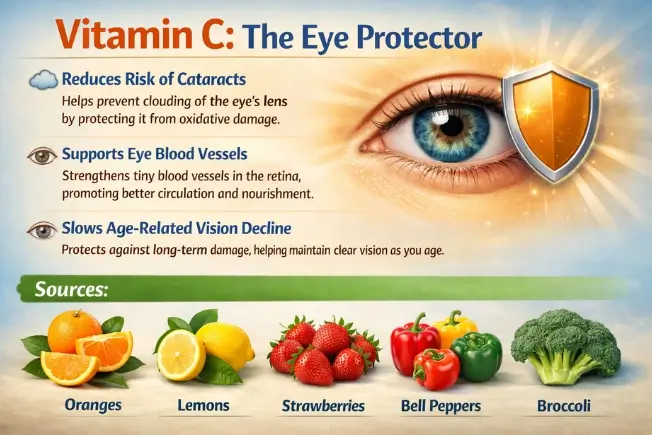
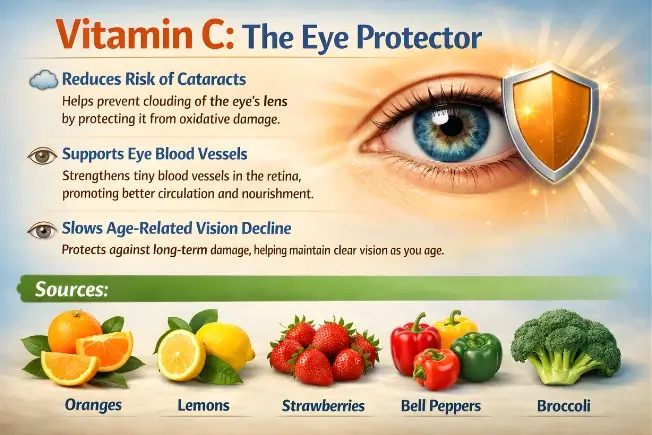
4. Vitamin C: The Eye Protector
5. Vitamin E: The Antioxidant Shield
6. Omega-3 Fatty Acids: For Dry Eyes Relief
7. Lutein & Zeaxanthin: Natural Eye Filters
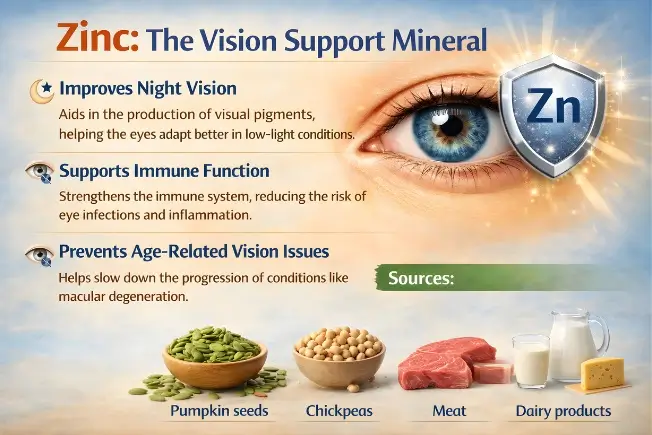
8. Zinc: The Vision Support Mineral
10. Should You Take Eye Supplements?
11. Signs of Vitamin Deficiency in Eyes
Just like your body needs nutrients to function properly, your eyes depend on essential vitamins and minerals to stay healthy. These nutrients help:
Without proper nutrition, your eyes may become more vulnerable to conditions like dry eyes, cataracts, and macular degeneration.
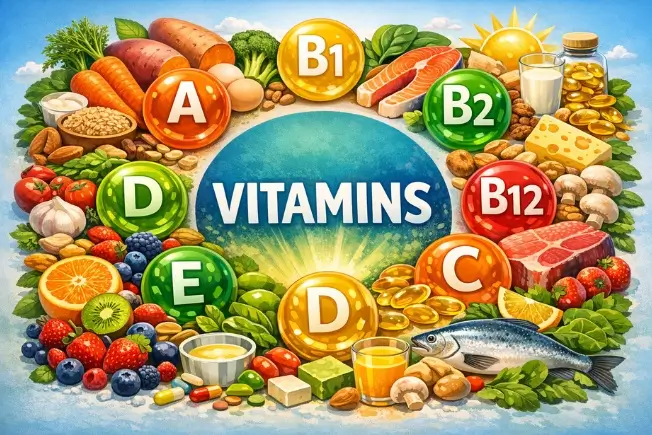
Here are the most important vitamins and nutrients that play a vital role in maintaining healthy vision:
Let’s explore each one in detail and see how they help boost our vision.
Vitamin A is one of the most essential nutrients for eye health. It plays a key role in maintaining the retina and helps your eyes adapt to low-light conditions.
A lack of vitamin A can lead to the following:
Vitamin C is a powerful antioxidant that protects the eyes from damage caused by free radicals.
Vitamin E helps protect eye cells from damage caused by harmful molecules.
Omega-3 fatty acids are essential fats that help maintain proper eye function and reduce inflammation
These are carotenoids found in the retina that act as natural filters against harmful blue light.
Lutein and zeaxanthin are often referred to as “eye vitamins” because they provide a natural defense against light damage, making them essential for people exposed to screens and bright environments.
Zinc helps transport vitamin A from the liver to the retina to produce melanin, a protective pigment.
A balanced diet rich in the following foods can naturally improve your eye health:
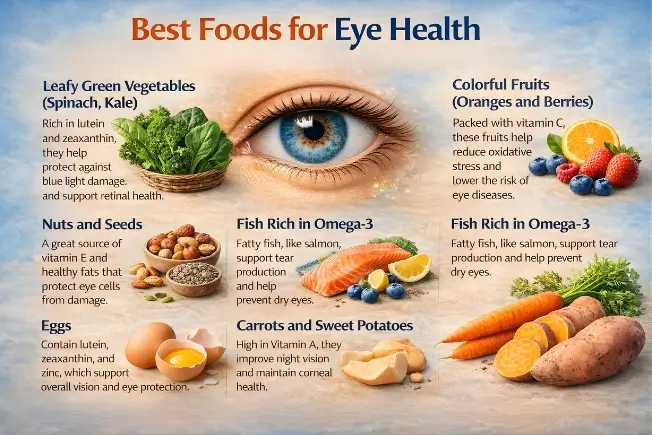
Rich in lutein and zeaxanthin, they help protect against blue light damage and support retinal health.
Packed with vitamin C, these fruits help reduce oxidative stress and lower the risk of eye diseases.
A great source of vitamin E and healthy fats that protect eye cells from damage.
Fatty fish, like salmon, support tear production and help prevent dry eyes.
It contains lutein, zeaxanthin, and zinc, which support overall vision and eye protection.
High in vitamin A, they improve night vision and maintain corneal health.
Including these foods in your daily diet ensures you get the essential nutrients your eyes need.
While it’s best to get nutrients from food, supplements can be helpful in certain cases:
If your body lacks key vitamins like A, C, or E or minerals like zinc, supplements can help restore balance.
People with conditions like dry eyes or age-related vision issues may benefit from targeted supplements.
If your daily diet lacks essential nutrients (common with busy or irregular eating habits), supplements can fill the gap.
However, always consult an eye specialist before starting any supplements to avoid overconsumption.
Lack of essential vitamins can lead to noticeable symptoms such as:
Difficulty focusing clearly, especially during reading or screen use.
Insufficient tear production can lead to irritation, redness, and discomfort.
Trouble seeing in low-light or dark environments is often linked to vitamin A deficiency.
Tired, heavy eyes after short periods of work or screen exposure.
Discomfort in bright light or glare, making it hard to stay outdoors or use screens.
Ignoring these signs can lead to worsening vision problems over time. Early detection and proper nutrition can help restore eye health and prevent complications.
Along with proper nutrition, follow these habits to keep your eyes healthy:
These small steps can make a big difference in your eye health.
Your eyes need proper care—and nutrition plays a vital role in maintaining healthy vision. By including essential vitamins like A, C, E, omega-3, and zinc in your diet, you can protect your eyes from damage and improve your overall visual health.
Incorporate healthy foods, follow good eye habits, and schedule regular eye check-ups to ensure your vision stays clear for years to come.
Among all essential nutrients, vitamin A plays the most crucial role in maintaining healthy vision. It helps the retina function properly and is especially important for night vision. A deficiency in vitamin A can lead to conditions like night blindness and dry eyes.
Vitamins can support and maintain healthy eyesight, but they do not completely cure or reverse refractive errors like myopia (nearsightedness), hyperopia (farsightedness), or astigmatism. Vitamins act as protectors rather than permanent corrective solutions.
Eye supplements are generally safe when taken in the recommended dosage and under medical supervision. Supplements containing nutrients like lutein, zeaxanthin, omega-3 fatty acids, vitamin C, and vitamin E can be beneficial for eye health.
Eat nutrient-rich foods, reduce screen time, stay hydrated, and get proper sleep.
Yes, it helps reduce the risk of cataracts and protects against damage.
Yes, deficiencies can lead to dryness, night blindness, and other issues.
Copyright © 2025 | Save Sight Centre | All Rights Reserved.