
If you are able to read small text on your phone without any trouble, but road signs, bus numbers or the classroom board appear blurry, then most likely you have myopia, which is also called nearsightedness. The condition has been observed more in students going to schools and colleges, and young professionals who work on digital screens a lot.
What's really good about myopia is that in most cases, it can be regulated. The most essential thing is to figure it out in time, understand the reason for it, and choose the appropriate therapy so that the vision doesn't worsen gradually, and you won't be able to see it.
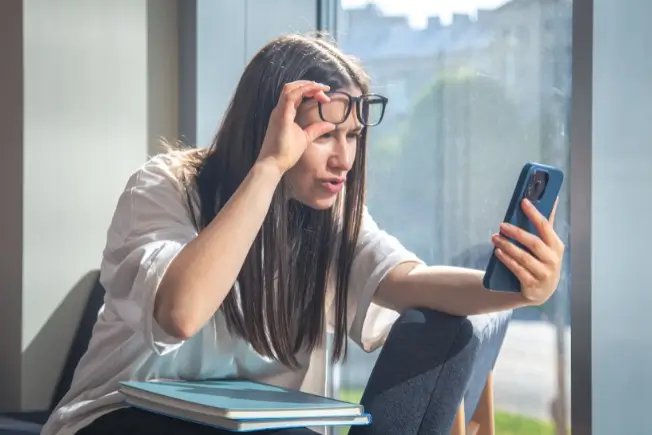
Myopia is an eye problem in which:
This happens when:
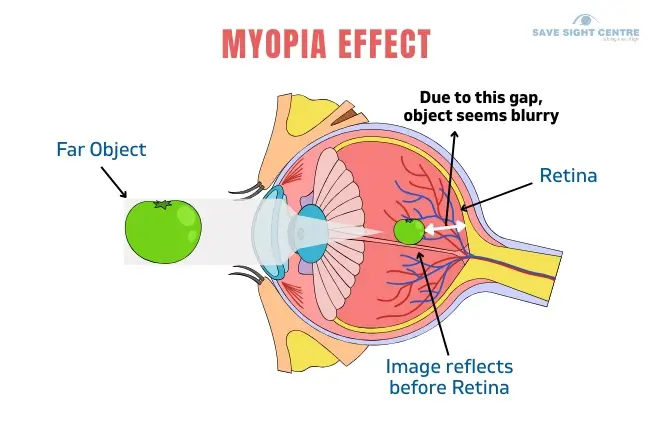
Due to this, the light focuses before the retina instead of being focused directly on retina. Therefore, the vision of the distance is blurred. Myopia can be of different degrees. It can be slight, moderate, or extremely high (high myopia), and the greater the numbers the greater the probability of certain eye problems in the future. The myopia is symbolized with (-) sign like -5 D.
If only one parent or both parents are myopic, the chance that the child will also be myopic is extremely high. Genetics influences the development of the eye, and that includes the eye becoming longer than usual. When the genes have such alterations, the chances that the child inherits myopia increase.
Spending long hours on phones, tablets, laptops, or gaming screens makes your eyes focus up close for too long. This kind of “near work” can cause myopia to start earlier. It also leads to myopia getting worse faster in children and young adults.
Often, the eye just becomes longer than normal, or the cornea is more steeply curved. This change in the structure is what moves the focus point in front of the retina and results in myopia.
Reading a book too closely, studying for long hours without taking a break, and leaning over small text can put a strain on your eyes. This can increase the level of myopia, particularly during the school years, which are very important years of your life.
Using a digital screen in the dark or holding your screen too close, all put extra strain on your eyes. Over time, this can cause or worsen myopia you might not even know you have.
Myopia doesn’t mean you have to live with blurry vision. It means your eyes need the right help to focus light correctly on the retina.
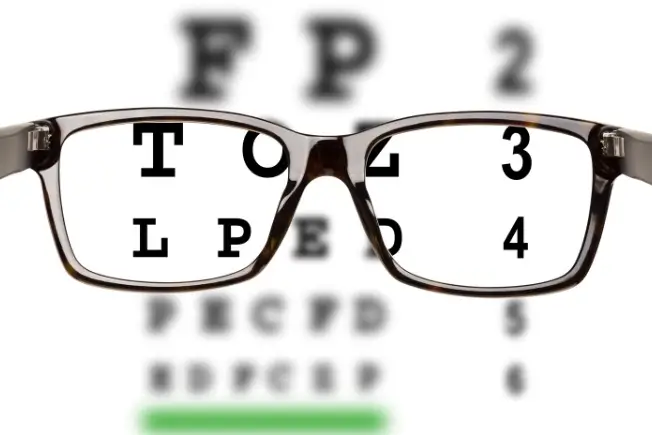
The most frequently used and easiest method. Negative-power lenses in glasses help move the focus back onto the retina. This enables you to see distant objects clearly. They’re safe, affordable, and suitable for people of any age.
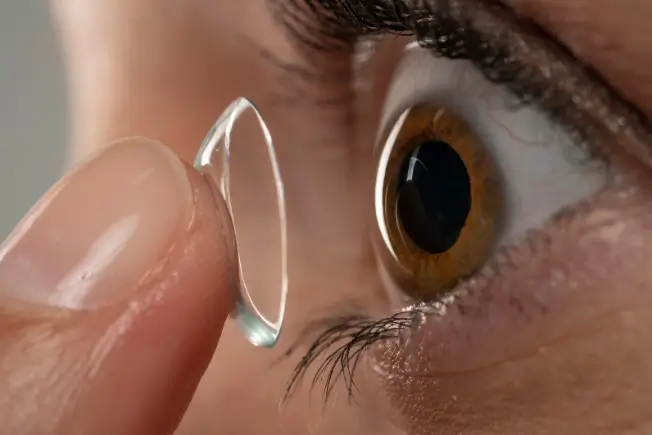
Contact lenses offer a broader field of vision and are perfect for individuals who are not in favour of glasses or are into sports. Soft lenses options are available, as well as rigid lenses and speciality designs. Keeping up with proper hygiene and using the correct fit are the main factors that reduce the risk of infection.
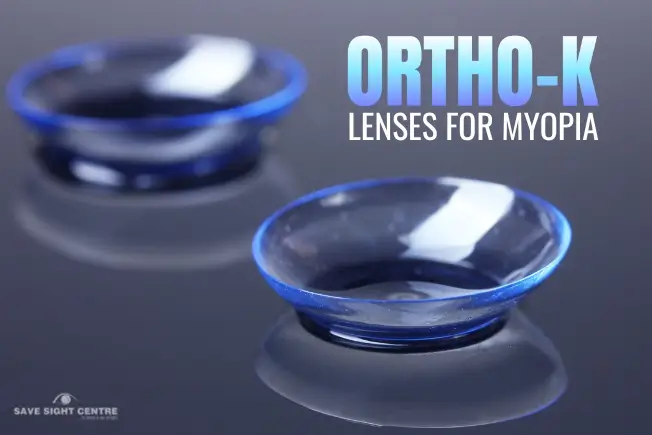
Ortho-K: These are some special lenses that will have to be worn during the night only. They reshape the cornea very gently while you sleep, so that you can see well the whole day without glasses or regular contact lenses. In the case of a child, myopia progression can also be slowed by Ortho-K lenses.
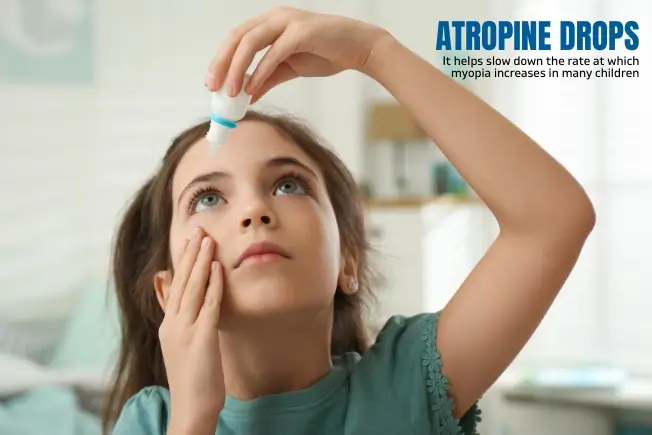
Low-dose atropine eye drops can help slow down how quickly myopia gets worse in many children. They don’t remove the minus power you already have, but they can help stop it from increasing too fast when started at the right time and checked regularly by a doctor.
Such operations as LASIK and ICL can be successfully performed on adult people having stable myopia. This is able to lessen the requirement of glasses or contact lenses, and in some instances, that need can be eliminated. The main factor that determines if you qualify is your age, the stability of your eye power, and the thickness of your cornea.
Laser eye surgery is one of the most effective treatment options for people with moderate to high myopia (nearsightedness). These advanced procedures reshape or correct the eye’s focusing ability so that light falls properly on the retina, helping improve clear distance vision.
Many adults choose laser vision correction because it can reduce or even eliminate the need for glasses or contact lenses, allowing greater convenience in daily activities like driving, sports, or work.
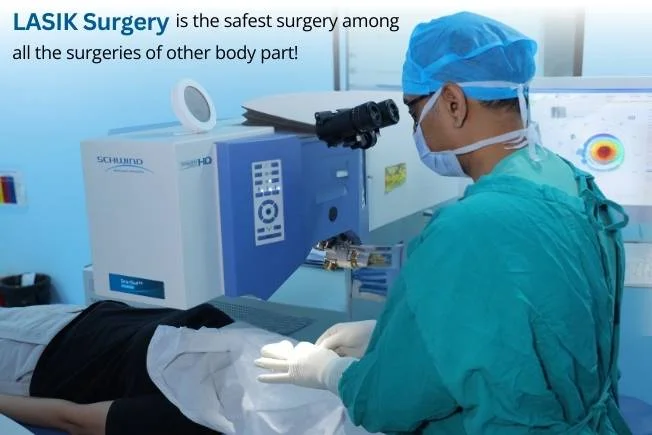
LASIK (Laser-Assisted in Situ Keratomileusis) is one of the most popular laser vision correction procedures.
ICL Surgery is another advanced option, especially for patients who may not be suitable for LASIK.
Not everyone with myopia is an ideal candidate. Eye specialists usually evaluate several factors before recommending surgery, such as:
A comprehensive eye examination helps determine the most suitable treatment option for correcting nearsightedness.
You can’t change your genes, but you can definitely change your habits so that you can slow down or prevent myopia:
You should book an eye exam if:
Myopia is a state where someone can see close objects but not the far ones because the far ones appear blurry. It is because the eye is a bit longer than usual, so the rays of light are focused not on the retina, but in front of it. This makes the image of the object blurry.
The main cause is a mixture of:
The eye is stretching longer is a physical change, and this can not be reversed. Sight, however, may be repaired by the use of a pair of glasses, contact lenses, or laser surgery in the case of adults.
In high myopia, the back of the eye stretches more. This raises the risk of serious eye problems like retinal detachment and glaucoma, which can lead to vision loss.
Two lifestyle changes are more important than any other to delay or lessen the impact of myopia. Doing these two could be of great benefit to the patient.
At Save Sight Centre, myopia management goes beyond just writing a glasses prescription. The team focuses on:
And if your child or you have difficulty in seeing far objects clearly, then do not keep on increasing the number of those who suffer from this condition. Call for a meeting at Save Sight Centre and see how a professional and experienced eye specialist will help you most securely and efficiently to keep your sight intact for a long time.
Copyright © 2025 | Save Sight Centre | All Rights Reserved.