
Cataract cannot be avoided in old age, but by following the below tips, it can be delayed. Cataract is a disease that is associated with age, whereby the natural lens of the eye becomes old and opaque, thus leading to blurred vision and glare. You can follow the below tips to make your overall eye healthy:
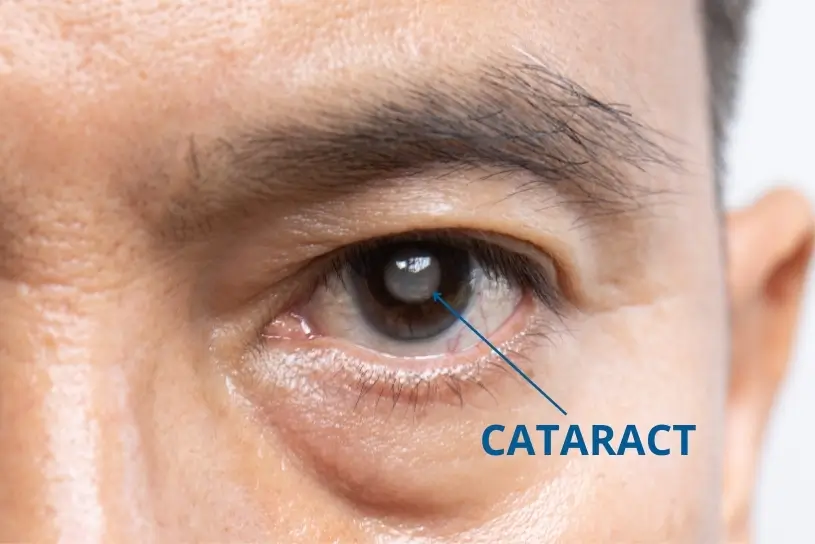
A healthy diet is one of the most natural methods of taking care of your eye lens and reducing the risks of cataracts as you get older. The food you consume silently helps to keep the ability of your lens to deal with oxidative stress, which is one of the primary causes of age-related cataract. Such nutrients as vitamins A, C, and E, lutein, zeaxanthin, and omega-3 fatty acids also demonstrate a protective effect and contribute to the preservation of clarity and delay the damage. It can not be a quick fix, but a long-term investment in your vision.
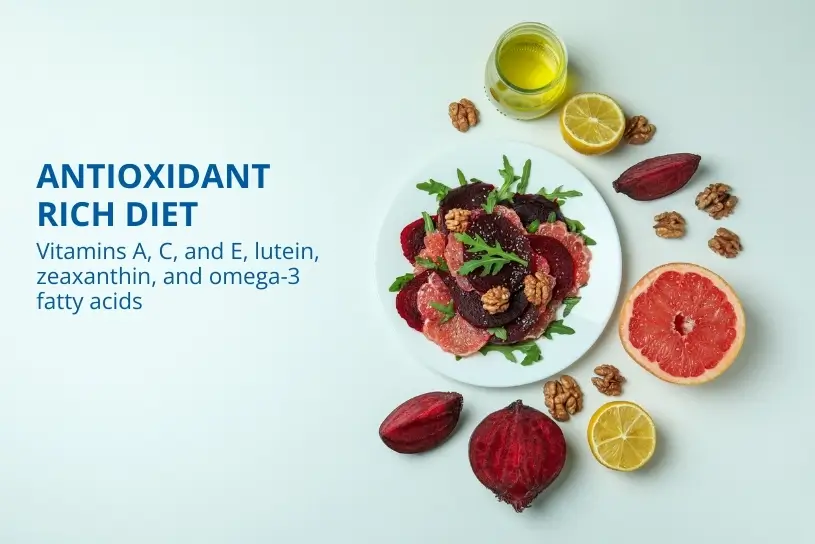
Unprotected exposure to sunlight (particularly to UV-B rays) over time is a well-ascertained risk element that leads to cataract earlier and more dense.
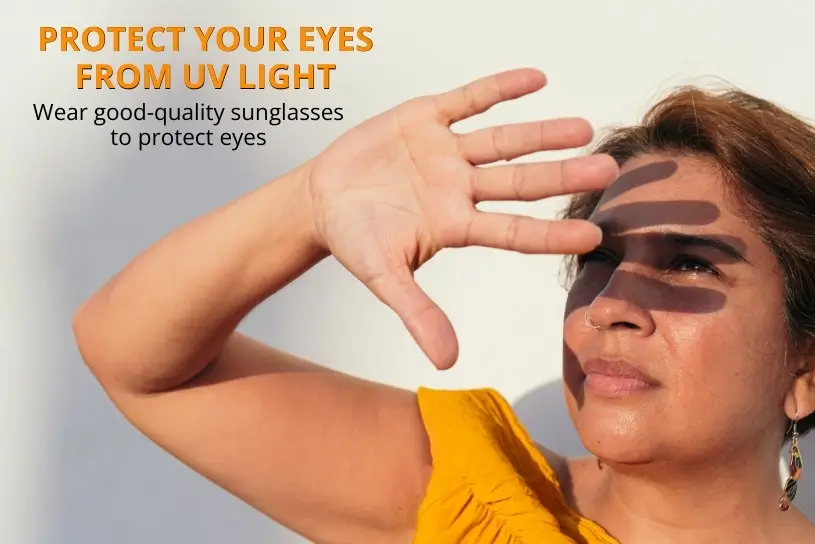
Uncontrolled diabetes has a close association with the premature and accelerated cataract development. A change in high blood sugar affects the lens metabolism and attracts fluid to the lens, thus making it cloudier faster.
To reduce this risk:

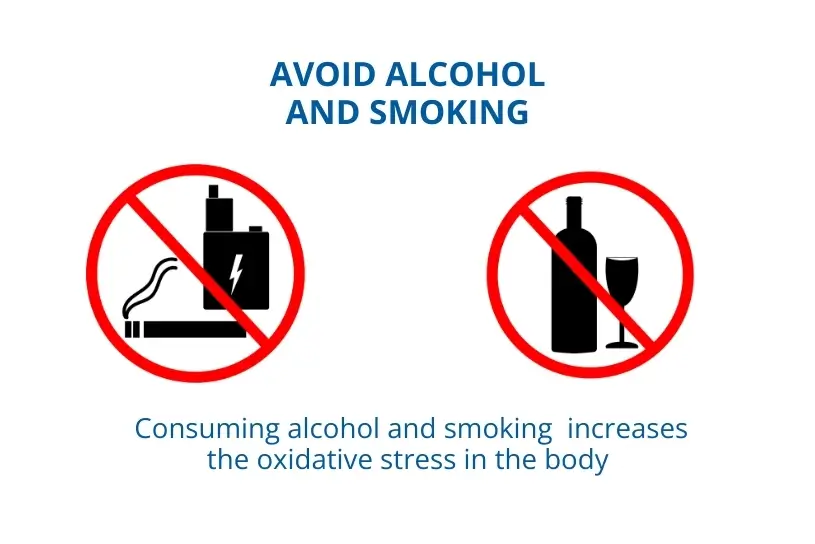
The smoking increases the oxidative stress in the body, and eventually, the damage is reflected in the eyes as well. Indeed, smoking has been repeatedly associated with an increased risk of getting cataracts, and getting them much earlier in life than otherwise, and with the resultant cataract surgery.
In case you are a smoker, it would be best to quit. But even a reduction, frankly, can do some good. When you cut down on that regular exposure to toxins, your eyes react remarkably. Alcohol has a lesser role to play, but it matters. Little, regular decisions do not go waste, and your eyes will tell you that sooner than you think.
Even if you follow all preventive tips, changes in the eye lens can still occur over time. Regular eye check-ups help detect cataracts or other vision problems at an early stage. You should consult an eye doctor If you face:
1. Blurred or unclear vision, especially while reading or driving at night.
2. Glare or halos around lights.
3. Needing brighter light to read than before.
4. Frequent changes in spectacle power.
5. Difficulty doing everyday tasks such as:
- Reading
- Driving
- Recognizing faces
At Save Sight Centre in Delhi, the cataract specialist will conduct a thorough eye check-up and clarify to you that you either require simple eyewear, lifestyle modification, or surgery to remove the cataract as the next step. Surgery has been done to restore clear sight with the help of modern technologies like Phacoemulsification and Micro-Incision Cataract Surgery (MICS) using high-quality intraocular lenses, which can restore vision within a short time with a high level of safety.
No. Cataract is not preventable. But a good diet, UV protection, diabetes control, and no smoking can delay the progression of cataract.
There is no natural remedy, eye drop, or home treatment which can completely cure cataract. The only effective treatment of a cataract is the replacement of the lens with an artificial intraocular lens.
Spinach, carrots, citrus fruits, almonds, walnuts and fish can reduce the cataract risk. Therefore, such foods should be consumed more by the diagnosed and other people.
Screen usage doesn't directly cause cataract. But frequent rest and good health are also essential to ensure that the eyes are comfortable and that the health of the eyes is also good.
After the age of 40, an eye check-up must be conducted at least once a year and more frequently in case of diabetes, hypertension and family history of eye disease.
Copyright © 2025 | Save Sight Centre | All Rights Reserved.