
Vision is precious. Yet, as we age, many of us develop cataracts. One of the most common types is a nuclear cataract. If you're searching for reliable information about Nuclear cataract treatment, you're in the right place.
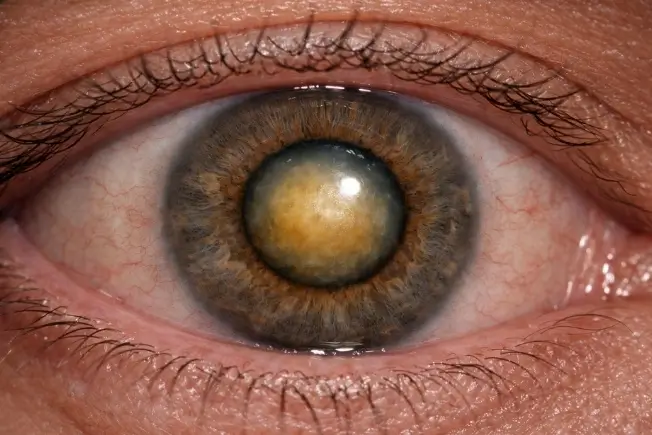
Nuclear cataract treatment is designed to restore clarity when the central part of the eye’s lens becomes hardened and yellowed. Over time, this condition can sharply reduce vision. Fortunately, modern Nuclear cataract treatment methods are safe, advanced, and highly successful.
Here, we’ll break down everything you need to know about Nuclear cataract treatment, from symptoms to surgery, recovery, and prevention. Let’s dive in.
A nuclear cataract forms in the center (nucleus) of the eye’s natural lens. The lens gradually becomes dense and yellow or brown. This affects how light enters the eye and reaches the retina.
Unlike other types of cataract, nuclear cataract usually develops slowly. However, over time, they can severely affect vision, making Nuclear cataract treatment necessary.
Several factors increase the risk of needing Nuclear cataract treatment:
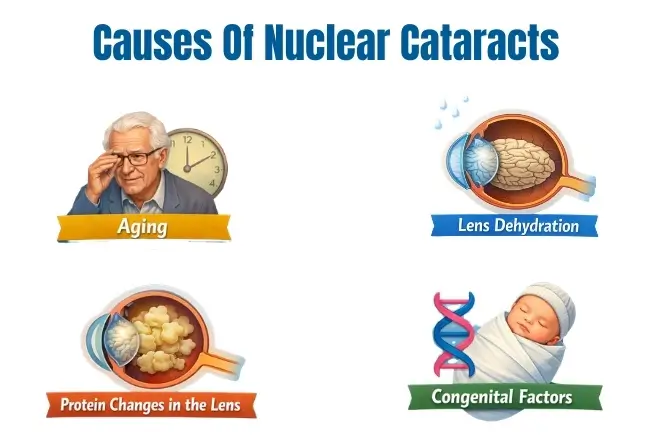
Aging changes the proteins inside the lens. These proteins clump together, making the lens cloudy. As a result, patients often require Nuclear cataract treatment to restore clarity.
In the early stages, vision may actually improve temporarily for near tasks. This is called “second sight.” But don’t be fooled. As the cataract advances, distance vision worsens.
Advanced nuclear cataracts can:
At this point, Nuclear cataract treatment becomes the only effective solution.
Recognizing symptoms early can help you seek Nuclear cataract treatment at the right time.
If these symptoms interfere with daily life, Nuclear cataract treatment should be considered.
Don’t wait until vision becomes severely impaired. If reading, driving, or recognizing faces becomes difficult, consult an ophthalmologist.
Early evaluation ensures timely Nuclear cataract treatment, preventing further complications.
If you are looking for the treatment in Delhi, You are at the right place. The Treatment includes:
In early stages, doctors may recommend:
However, these are temporary measures. Eventually, definitive Nuclear cataract treatment is required.
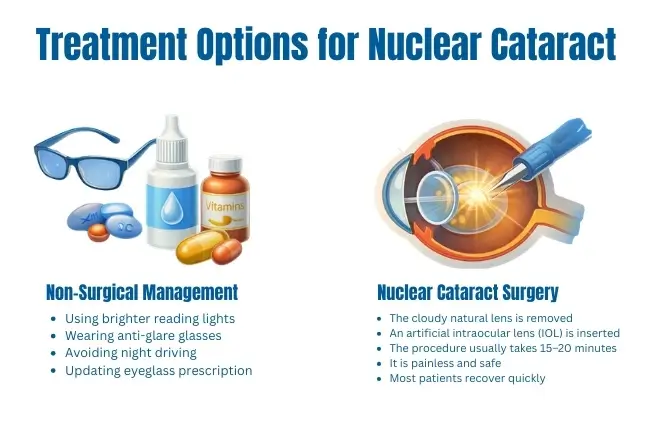
Surgery is the gold standard. It involves removing the cloudy lens and replacing it with an artificial intraocular lens (IOL).
Modern Nuclear cataract treatment surgery is:
Phaco is the most common cataract surgery done today. In this procedure, the doctor uses ultrasound energy to break the cloudy natural lens into very small pieces. These pieces are then removed through a tiny cut in the eye. Through the same small opening of 2.8mm to 3mm, a foldable artificial lens (IOL) is placed inside the eye.
Because the cut is very small, healing is faster, discomfort is minimal, and vision improves quickly. Phaco surgery is suitable for most age-related cataracts, and patients can usually return to their normal routine within a short time.
Know more about PhacoemulsificationMICS is an advanced form of phaco surgery that uses an even smaller cut of 1.8mm to 3mm. A smaller incision means less disturbance to the eye tissues, faster recovery, and less chance of developing astigmatism after surgery.
MICS is a good option for patients who want quicker recovery and very precise results, provided the cataract is suitable for this technique.
FLACS is an advanced type of cataract surgery that uses a special femtosecond laser to perform important steps of the procedure. The laser is used to create precise incisions, open the lens capsule, and soften the cataract before it is removed.
Because the laser is highly accurate, the surgery can be more precise and gentle on the eye. It may reduce the use of ultrasound energy and help in better positioning of the artificial lens (IOL).
FLACS is especially helpful for patients who want premium results or are choosing advanced lenses. However, the suitability depends on the condition of the eye and the type of cataract.
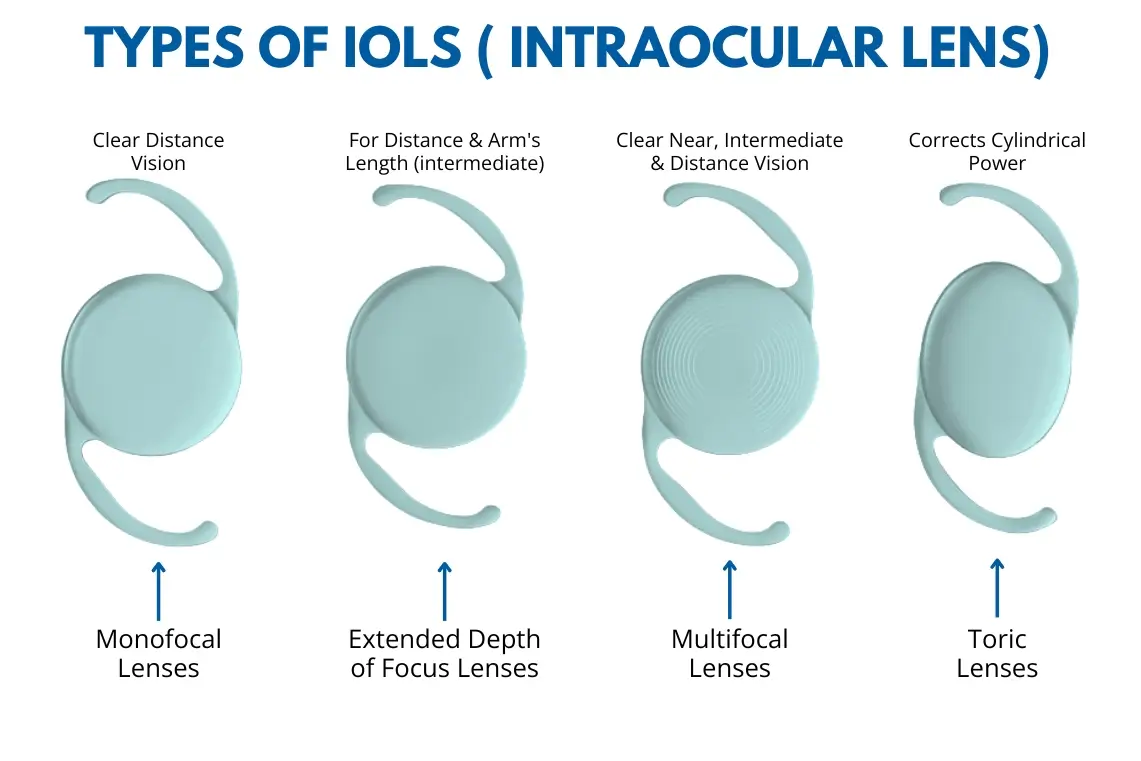
| Lens Type | Best For |
|---|---|
| Monofocal | Clear distance vision |
| Multifocal | Near and distance |
| Toric | Astigmatism correction |
| Extended Depth of Range (EDOF) | Continuous focus range |
Your surgeon will guide you based on lifestyle needs.
Find the best IOL for you!
Let’s walk through Nuclear cataract treatment step by step.
You remain awake but comfortable. The surgeon:
The entire Nuclear cataract treatment process usually takes under 30 minutes.
Most patients notice improved vision within 24–48 hours.
Recovery tips:
Full healing after Nuclear cataract treatment occurs within 4–6 weeks.
Many patients report feeling “younger” after surgery.
Though rare, risks include:
Fortunately, modern Nuclear cataract treatment techniques minimize complications.
Artificial lenses last a lifetime. Once completed, Nuclear cataract treatment doesn’t need to be repeated in the same eye.
Most patients achieve 20/20 or near 20/20 vision, depending on other eye conditions.
While aging cannot be stopped, you can delay the need for Nuclear cataract treatment.
Wear UV-protected sunglasses outdoors. Long-term sun exposure increases the likelihood of needing nuclear cataract surgery earlier.
Annual exams detect cataracts early. Early detection allows timely Nuclear cataract treatment, reducing complications.
When it comes to treating nuclear cataract, choosing the right eye care centre makes all the difference in achieving clear and lasting vision. At Save Sight Centre, patients receive expert care from highly experienced cataract specialists like Dr. Rajeev Jain, Dr. Shuchi Gupta, and Dr. Ankit Malhotra, trained in advanced surgical techniques to handle even dense, complex nuclear cataracts with precision. The centre is equipped with modern diagnostic technology like IOL Master that ensures accurate evaluation and personalized treatment planning for every patient.
Using state-of-the-art phacoemulsification systems and premium intraocular lenses (IOLs), the surgical procedure is safe, minimally invasive, and designed for faster recovery and optimal visual outcomes. Beyond technology, Save Sight Centre focuses on patient comfort and transparency, explaining every step of the treatment process clearly so patients feel confident and stress-free. From consultations to post-surgery follow-ups, the team is dedicated to delivering not just improved vision but also an enhanced quality of life, with reduced glare, sharper clarity, and minimal dependence on glasses. With a strong track record of successful cataract surgeries and satisfied patients, Save Sight Centre stands as a trusted choice for safe, advanced, and patient-centered nuclear cataract treatment.
No. Surgery is performed under local anesthesia. Most patients feel no pain during Nuclear cataract treatment.
The procedure typically takes 15–20 minutes per eye.
Usually, one eye is treated at a time. The second eye follows after recovery.
Light activities can resume within 1–2 days. Strenuous tasks should wait at least a week.
Yes. The artificial lens does not develop cataract again.
Absolutely. It is one of the safest surgeries worldwide, even for patients over 70 or 80 years old.
Copyright © 2025 | Save Sight Centre | All Rights Reserved.